
Guide
A guide to retail media networks
Retail media networks are a type of advertising platform that allows retailers to sell ad space on their digital channels to third-party brands. This can help brands reach a captive audience and build their digital marketing strategies.
Start using Amazon Ads to display your products and create campaigns.
Request managed services. Budget minimums apply.
Create cost-per-click ads to help customers find your products on Amazon.
Help share your brand messaging with new viewers.
As online shopping has grown in popularity with consumers, retail media has become more popular with brands. The term retail media refers to the actual advertising placed on a retailer’s media network. Third-party businesses that look to reach relevant audiences will work with a retailer to create ad campaigns for those digital channels.
Retail media networks have become an important category for the growth of programmatic advertising, but many marketers still don’t know about the retail media landscape or how to buy media in this space. In this guide, you’ll learn the basics about retail media networks, why they’re important, and how they can help you grow your business.
What is a retail media network?
A retail media network is an advertising infrastructure that comprises a collection of digital channels (e.g., websites, apps) that are offered by a retail company to third-party brands for their various advertising purposes. Purchasing ad space on a retail media network can help brands of all sizes further build their digital marketing strategies.
The retail media landscape is growing rapidly, with global advertising spend expected to reach $196.7 billion in 2026, representing 16% of all ad spend worldwide.1
With the growing popularity of online shopping for consumers, retailers are recognizing their digital channels as useful opportunities to help brands reach and engage shoppers. This helps marketers potentially reach more relevant audiences while also providing brands with audience and shopping insights that can help make their retail marketing more effective.
Why is retail media important?
Retail media can help brands advertise in places where consumers are already spending their time. As mentioned earlier, retail media refers to the ads actually placed on a retailer’s media network. Brands purchase these ads across these digital channels to help customers discover and learn about them as they shop. Think of retail media like a “digital shelf.” It can help brands further increase their visibility to shoppers, much like how in-aisle specials, promos, and deals can stand out to shoppers in physical stores.
Additionally, when brands advertise on a retailer’s website or app, the ads can feel more relevant to consumers who are browsing online. And when shoppers engage with a brand’s retail media or purchase their products from an online store, the third-party brand has an opportunity to receive first-party insights that can help them better understand their audiences’ shopping patterns. This information can help brands tailor their products and messaging to better serve shoppers.
As the advertising industry evolves, access to first-party insights is becoming more important for brands. Marketers are seeing how retail media networks can help them better plan, make more informed media buying decisions, and implement more strategic campaigns. Nearly two-thirds of consumer packaged goods (CPG) marketers plan to increase their retail media spending, recognizing the value of first-party insights for understanding customer behavior and tailoring advertising experiences.2 Advertisers across other categories are also investing in retail media networks—about three in five financial services advertisers (61%) report using retail media platforms, with more than half planning to spend more this year.3
This combination of relevance, timing, and actionable insights makes retail media uniquely powerful for marketing effectiveness.
Raoul Zenon, General Manager, OMG MENARetail media offers an opportunity to enhance marketing effectiveness in ways that other channels can't match. The key is in the retailer's first-party insights, which provide a combination of signals to better understand customer behavior and tailor advertising experiences for them.
How do retail media networks work?
Although retail media networks may sound complicated, they are straightforward for marketers to understand. Essentially, retailers enable brands to buy advertising across a collection of digital channels (e.g., websites, apps) that include both channels owned by the retailer directly and channels owned by third-party media companies that work with the retailer to offer ad inventory to brands to further market their products beyond a retailer’s owned properties.
If retailers want to further expand a brand’s reach with a wider audience, they may work with media companies to open up ad space inventory for third-party brands or activate their other digital properties as well. Simply put, retail media is the digital counterpart to in-store ads, and is an important part of advertisers’ marketing strategies in an evolving advertising industry.
What is an example of retail media?
A retailer that has a digital store and the ability to sell ad space for brands to purchase can be considered a retail media network. But it’s not as simple as launching a website. Rather, retailers need to invest in the technological infrastructure to support retail media network needs.
Benefits of retail media networks
Retail media networks have benefits for retailers, brands, and customers. One of the reasons retail media works so well for brands and customers is that the advertising can feel timely and relevant. Below are more examples of how retail media networks can help.

1. Brands can reach relevant shoppers
One of the biggest benefits of retail media networks is that they can help brands better connect with relevant shoppers. Since shoppers are generally in the mindset to buy when they’re visiting a digital store, seeing a brand’s advertisement on a retailer’s website can help that brand stay top of mind for consumers as they shop. Another benefit of using retail media networks is access to first-party insights rather than third-party insights, which can help better inform the brand’s marketing campaigns. Beyond insights, retail media networks can also help brands better link their ad spend to conversion. The journey from when customers engage with digital ads to when they make a purchase can help brands better understand the connection between ad spend and product sales. These insights can help them analyze their return on investment and make more strategic business decisions, like increasing inventory, allocating resources, or increasing ad budget.

2. Customers can find products they need
As shoppers browse for specific products, they may come across sponsored ads from a brand that relate to what they’re looking for on a retailer’s website. These ad placements can help shoppers discover a new brand or inspire them to try a new product.
Trends in retail media networks
Retail media is becoming a part of some marketers’ advertising playbooks, as more brands look to optimize their ad spend and ensure their campaigns reach relevant audiences. Here are some trends that brands may see as the retail media industry grows:
- Retail media continues to expand across the industry: Over 80% of the top 100 U.S. retailers have already adopted retail media through partners or in-house development, and brands are increasingly incorporating these networks into their core marketing strategies.4
- Retail media will allow brands to diversify their digital marketing strategies: As the advertising industry grows and changes, marketers want reliable insights to help inform their advertising campaigns and build more durable marketing strategies.
- First-party insights can help brands build more relevant campaigns: Additionally, first-party insights can help brands better tailor ads for shopping audiences. This helps shoppers feel like the ads they are seeing are relevant, and it helps brands be more strategic about how they are spending their ad dollars.
Although the landscape of retail media is still relatively new, as it matures it will become a helpful and insightful form of digital advertising for brands.
You don’t have to wait to start engaging shoppers. With Amazon Ads solutions like streaming TV ads, audio ads, Sponsored Brands, Sponsored Products, and display ads, your brand can start creating advertising that feels relevant and helpful for shoppers.
Retail media success stories
Case Study
Sports Research partnered with Pacvue and Amazon Ads to launch their Hydrate electrolytes product using Amazon DSP with Amazon Publisher Cloud (APC)-enhanced programmatic guaranteed deals and custom Amazon Marketing Cloud (AMC) audiences targeting those who searched for hydration-related keywords. Leveraging APC's Audience Collaborations feature with a streaming TV broadcaster, the campaign combined Sports Research's first-party data with Amazon Ads retail media insights and the publisher's content signals. This approach achieved 1.8x higher reach among the intended audience while being 51% more cost-efficient, delivering 43% more impressions with 56% less spend compared to the control campaign.

Case Study
Coty partnered with Profitero and Amazon Ads to integrate Profitero's Shelf Intelligent Media platform with Amazon DSP's bid modifiers API, creating a custom algorithm that combines digital shelf signals—including Coty's inventory status and pricing alongside competitor data—with Amazon-specific data to enable automatic bid adjustments down to the zip code level thousands of times daily. This unified, automated optimization approach within Amazon's retail media network delivered a 28% increase in overall return on ad spend (ROAS), a 36% increase in new-to-brand ROAS, and an 8% increase in overall new-to-brand sales. The solution demonstrates how retail media networks enable brands to leverage real-time marketplace signals for dynamic campaign optimization, reducing advertising inefficiencies while expanding market reach in competitive categories.

Case Study
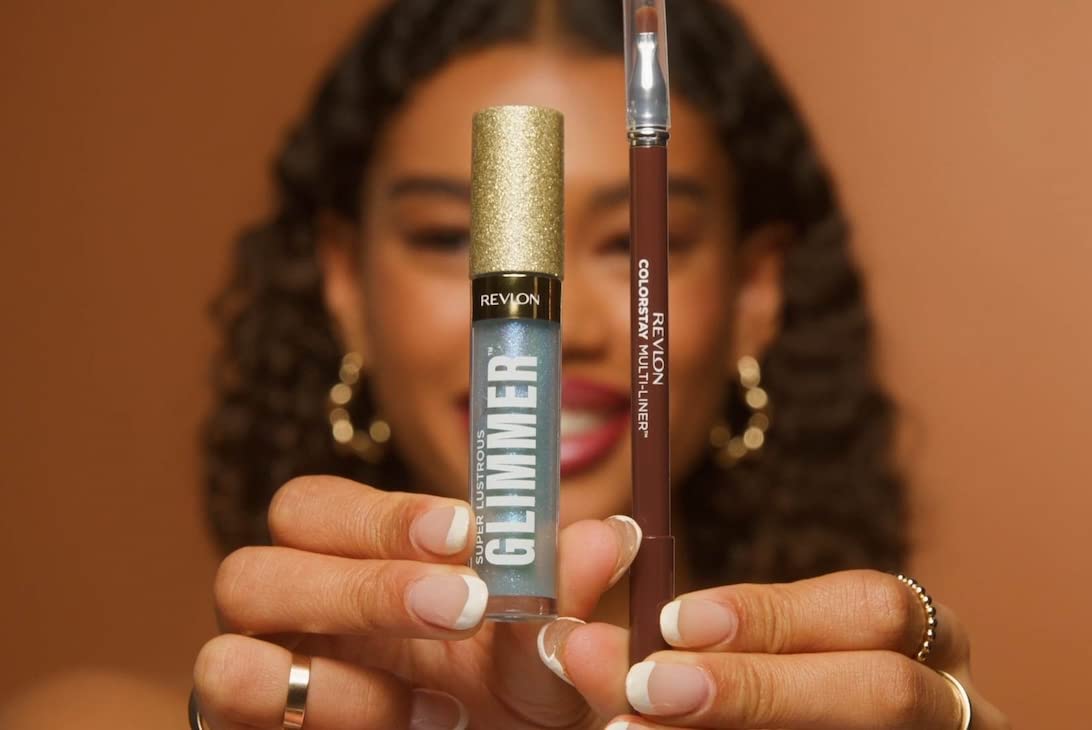
Revlon partnered with Horizon Commerce, Horizon Media, and Amazon Ads to launch their Glimmer product line using a full-funnel integration strategy that combined Amazon Marketing Cloud, Prime Video, Amazon DSP, streaming TV ads, and sponsored ads to develop custom audience segments based on purchasing behaviors—including High-Value New-to-Brand shoppers, Cart Abandoners, and Sponsored Product Keyword Engagers. The retail media approach enabled cross-channel audience targeting with real-time optimizations during key retail moments, revealing that combining Prime Video with search generated a 24x higher purchase rate compared to search-only exposure. This strategy delivered a 46.85% year-over-year increase in iROI efficiency and 170% growth in sales, with 82% of attributed sales occurring through non-Amazon retail channels, demonstrating how retail media networks can drive true omnichannel impact by leveraging exclusive shopping and streaming behavior data across the full customer journey.

If you have limited experience, contact us to request managed services. Budget minimums apply.
Additional Resources
Sources
- 1 WARC Media forecast, November 2025.
- 2 Mediaocean 2025 H2 CPG Market Report, July 2025.
- 3 Advertiser Perceptions Financial Services Advertising: Retail Media and Digital Platforms, H2 2025.
- 4 IDC MarketScape: Worldwide Retail Media Network Service Providers 2024 Vendor Assessment, September 2024.